


 about this topic
The Kinderhook Plates
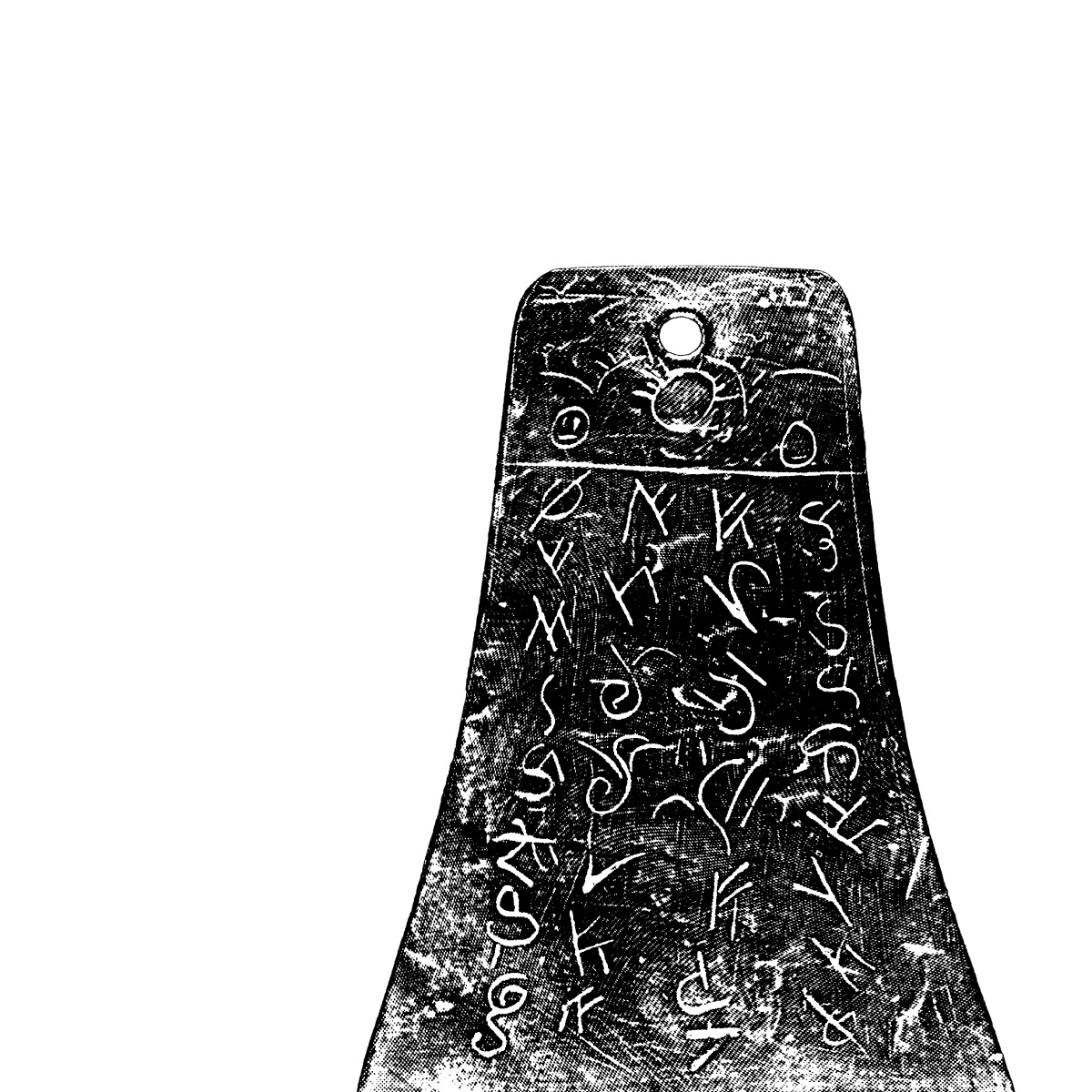
What are the Kinderhook plates?
The Kinderhook plates are a set of six small (three inches in height), bell-shaped brass plates with inscriptions[1] that a group of men—Wilburn Fugate,[BIO] Robert Wiley,[BIO] and Bridge Whitton[BIO]—forged;[2] planted in a mound[3] near Kinderhook, Illinois; and “excavated”[4] in the spring of 1843. According to Fugate, the plates were fabricated as a sort of prank or joke.[5]
How do we know they are fake?
One of the conspirators who participated in the hoax, Wilburn Fugate, admitted to them being fakes in 1879.[6] Modern scientific tests[7] also confirmed that the last-known surviving plate is of modern, not ancient, origin.[8]
Was Joseph Smith tricked by the hoax?
Probably not. Joseph Smith[BIO] initially took an interest[9] in the Kinderhook plates and reportedly made an initial attempt to translate[10] one of the characters by the secular means available to him.
He then reportedly wanted them authenticated by an expert before he did anything more with them.[11] The owner of the plates took them back, and Joseph never followed up or mentioned them again.[12]
But didn’t Joseph make more than a preliminary guess about the plates? Didn’t he actually try to translate them?
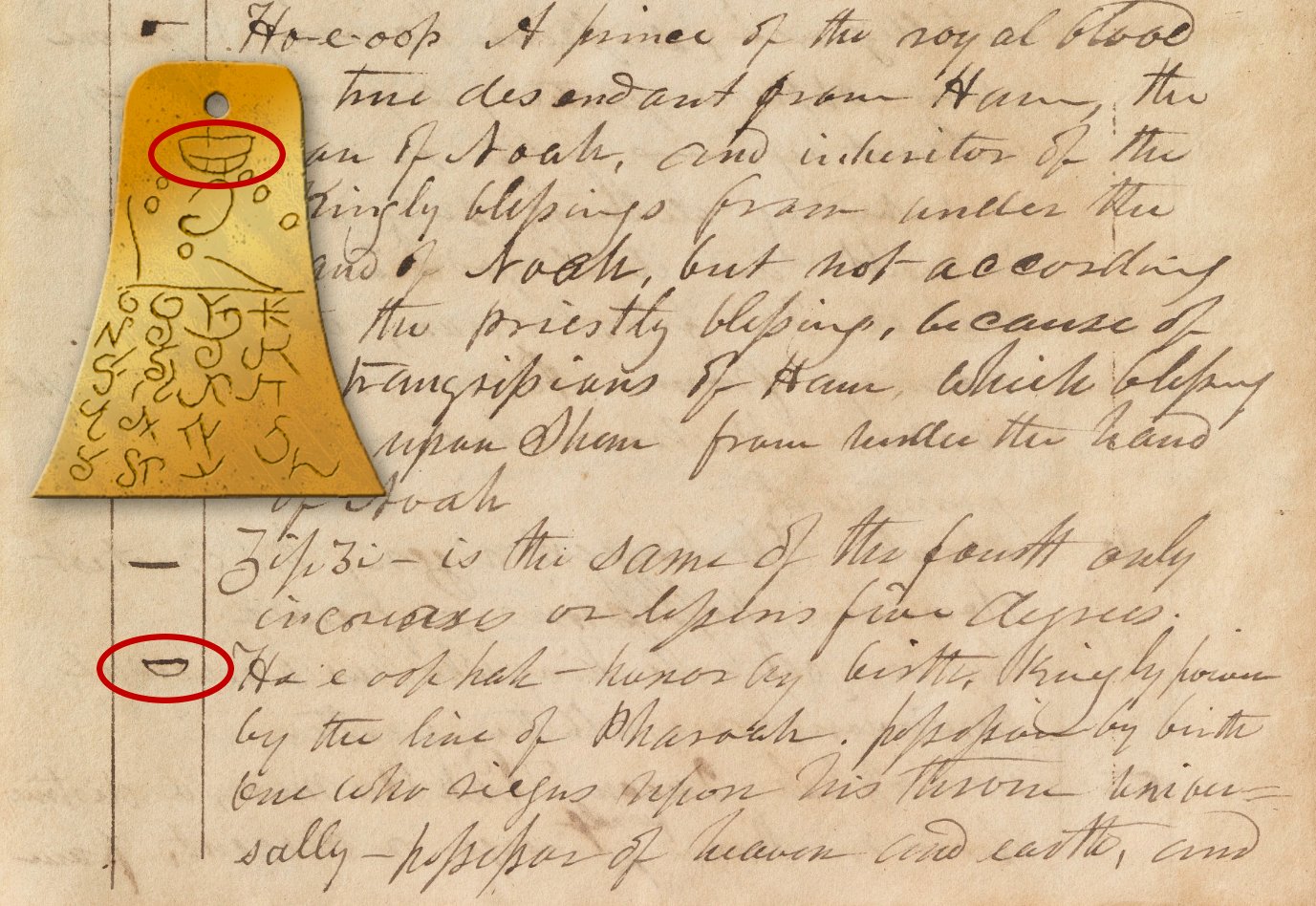
There is evidence that indicates Joseph may have attempted to translate some portion of the plates,[13] specifically one character. The character resembled a hieroglyph from the Egyptian papyri[14] he acquired in the summer of 1835, and Joseph probably compared the two.
What did he think the symbol meant?
According to William Clayton,[BIO] Joseph said the character “contain[s] the history of the person with whom they were found and he was a descendant of Ham through the loins of Pharaoh king of Egypt, and that he received his kingdom from the ruler of heaven and earth.”[15]
This matches the description of a boat-shaped Egyptian hieroglyph cataloged in a manuscript Joseph may have helped compile[16] in 1835 called the Grammar and Alphabet of the Egyptian Language. Of course, since the symbols on the Kinderhook plates were fake, the character matching the hieroglyph is just a coincidence.
Related Question
Did Joseph correctly identify Egyptian characters in the Book of Abraham facsimiles?
Read more in Book of Abraham Facsimiles
Did Joseph attempt to use revelation, the seer stone, or the Urim and Thummin?
Probably not. There is no reliable evidence[17] showing Joseph sought revelation, consulted the seer stone, or used the Urim and Thummim in his translation of the single character on the plates. The available evidence shows Joseph tried a "secular" translation using the scholarly resources available to him[18].
Shouldn’t the Holy Ghost have warned Joseph that the plates were fake?
Maybe? Joseph may have been warned because he seemed to completely lose interest in the plates. Or maybe God just let Joseph figure this one out on his own.[19]
What did Latter-day Saints think of the plates at the time?
The reaction of Latter-day Saints to the announcement of the “discovery” of the plates was positive, even enthusiastic.[20] Non-LDS writers also found the plates of interest[21] and generally assumed they were authentic until the later confession of Fugate.
What happened to the plates after Joseph examined them?
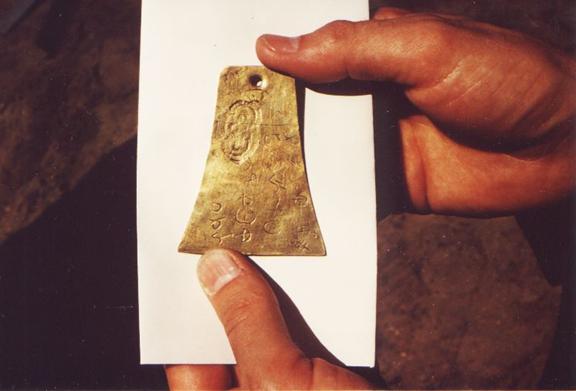
After 1843, the plates moved from person to person until one of them ended up in the Chicago Historical Society in 1920,[22] its current home. The whereabouts of the remaining five plates are unknown and are probably lost.
Doesn’t this whole episode prove Joseph was a fraud?
No, not really. It seems like Joseph either thought the Kinderhook plates were a hoax or, possibly, a genuine ancient curiosity,[23] but he didn’t place any importance on the matter. There is no “Book of Kinderhook” or testimonies about visiting angels or revelations related to the Kinderhook plates.
Didn’t the Church continue to believe that the Kinderhook plates were authentic, even in modern times?
Yes. In the twentieth century, they were mentioned a few times in various Church publications but were considered a historical curiosity and potential evidence for the Book of Mormon[24] rather than anything sacred. For example, in 1962 the Church published a report arguing that the plates were authentic,[25] and in 1979, Mark E. Peterson[BIO] wrote a book titled Those Gold Plates! where he mentioned the Kinderhook plates and said that most experts agreed that they are authentic.[26] A year later, though, they were definitively proven a fraud through scientific analysis.[27]
- Ann R.
“Big deal, get on with it. All I know is followers of The Church of Jesus Christ of Latter-day Saints there's almost 18 million members trying to follow Jesus Christ's example and His commandments. That is a good thing.” - Alma
“I don't believe that Joseph Smith was ever trying to make a translation at all. The GAEL was a symbolic coding document, not a translation document. Joseph would have known that. I believe that William Clayton assumed the GAEL page with the boat was Joseph Smith's translation.” - Ann P.
“This is comforting. I grew up knowing that Joseph Fielding Smith had said we wouldn’t leave the earth. It bothered me that he was wrong. I’m glad to learn that the prophet is not infallible.” - Ryan
“Good to clear this up. I first heard about the kinderhook plates after reading, Joseph Smith Rough Stone Rolling. The biography was a bit misleading about “Joseph attempting to translate them.” It’s been bugging me since… it was good to finally get the facts cleared up. Yay!” - Michael
“I appreciate the rundown of the facts. Straightforward and easy enough to comprehend. Why anyone would still be talking about the hoax joke is beyond me.”
